
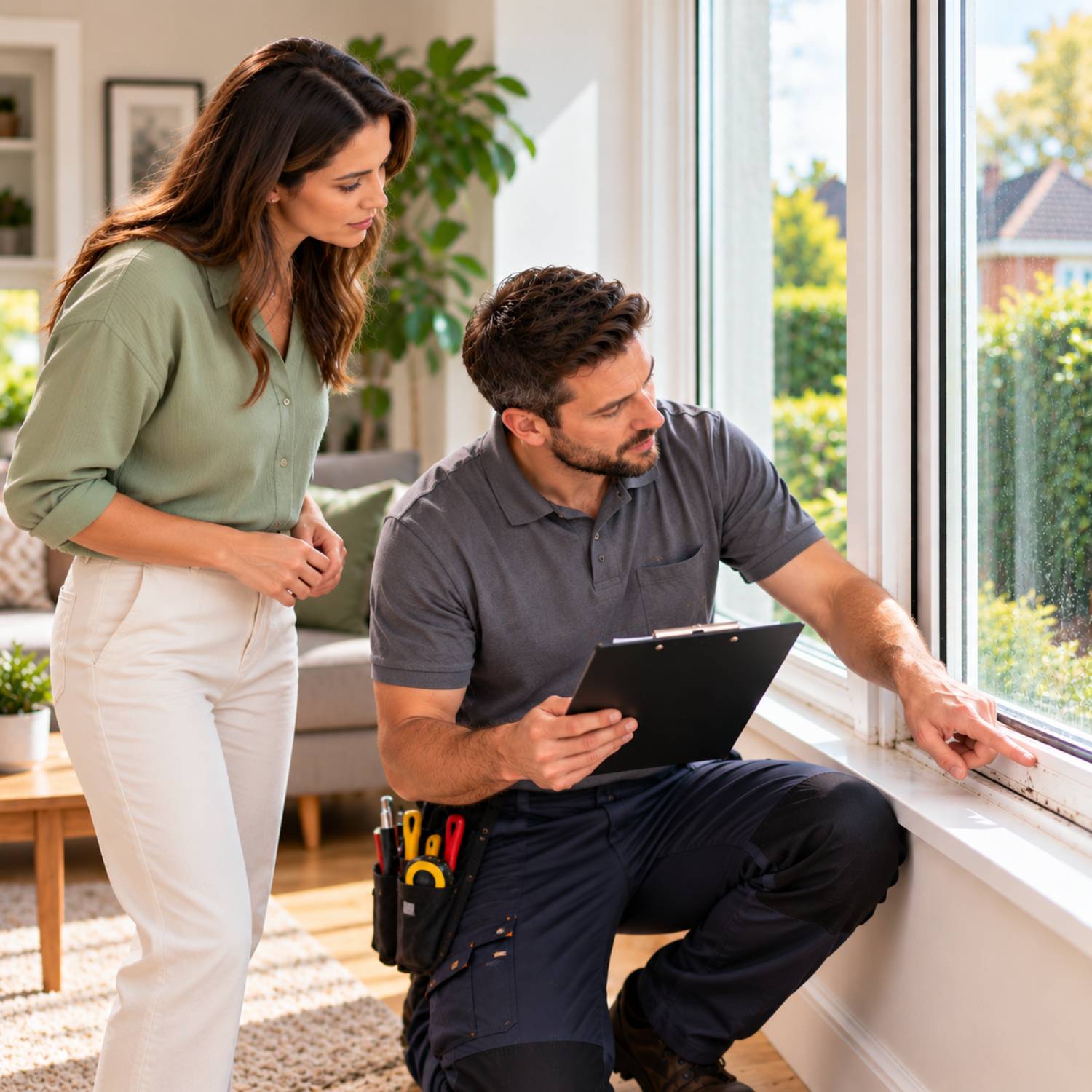
Windows help maintain indoor comfort, protect your home from outdoor conditions, and support energy efficiency. However, exposure to sunlight, moisture, temperature changes, and everyday use can gradually affect their performance. Damaged or aging windows may develop drafts, moisture problems, or operating difficulties that become more noticeable over time.
Recognizing these warning signs early can help homeowners decide whether repairs are sufficient or replacement is necessary. Consulting a professional window replacement company allows homeowners to assess window conditions, compare suitable materials, and understand available installation options. Here are seven important signs that your home’s windows may need replacing.
1. Your Windows Have Visible Damage or Deterioration
Cracked glass, damaged frames, rotting wood, and significant corrosion are common indicators of window deterioration. While minor surface damage may be repairable, extensive problems can affect structural stability, weather resistance, and everyday operation. Damaged components may also allow moisture to enter surrounding building materials.
If deterioration continues despite maintenance, contacting a qualified window replacement company can help determine whether replacing the affected windows is more practical than repeated repairs. A professional assessment should consider frame condition, glass integrity, surrounding damage, and the expected performance of replacement products.
2. You Notice Drafts Around Closed Windows
Drafts around closed windows often indicate worn weatherstripping, deteriorating seals, or gaps between the window frame and surrounding wall. These openings allow outdoor air to enter while conditioned indoor air escapes, potentially creating uncomfortable temperatures near windows.
Homeowners can check for noticeable air movement around frames during windy weather without dismantling any components. Although replacing weatherstripping or sealing small gaps may resolve some problems, persistent drafts involving distorted or damaged frames can indicate that replacement deserves consideration.
3. Your Energy Bills Keep Increasing
Poorly performing windows can contribute to higher heating and cooling expenses by allowing unwanted heat transfer. Older single-pane windows, inadequate glazing, or damaged seals may make it harder for HVAC equipment to maintain comfortable indoor temperatures throughout the year.
However, increasing energy bills do not automatically mean windows need replacing. Changes in weather, energy rates, thermostat settings, and HVAC efficiency can also affect consumption. A professional energy assessment can help identify whether window upgrades would provide meaningful efficiency improvements.
4. Condensation Appears Between Glass Panes
Condensation trapped between the panes of a double-pane window generally indicates that the insulated glass unit’s edge seal has failed. When this happens, moisture can enter the space between the panes, creating persistent fogging that cannot be removed through ordinary cleaning.
A failed seal may also reduce the window’s insulating performance. Depending on its construction and condition, replacing only the insulated glass unit may be possible. If the frame is deteriorating or multiple components are damaged, replacing the complete window may be more appropriate.
5. Windows Are Difficult to Open or Close
Windows should open, close, and lock without excessive force. Sticking frames, damaged hardware, warped materials, or worn operating mechanisms can make everyday use frustrating. Windows that cannot open properly may also create concerns where they are required for emergency escape.
Some operating problems can be corrected by cleaning tracks, adjusting hardware, or replacing damaged components. However, recurring difficulties caused by severely distorted frames or extensive deterioration may justify replacement. Properly functioning windows should provide convenient operation and dependable locking.
6. Outdoor Noise Becomes More Noticeable
Traffic, construction activities, and neighborhood noise can affect indoor comfort, particularly when windows provide limited sound insulation. Gaps around frames, deteriorating seals, and certain older glazing systems may allow more outdoor noise to enter living spaces.
Modern windows with appropriate acoustic glazing and well-sealed frames can reduce certain types of external noise. Performance varies according to glass construction, installation quality, and surrounding building materials. Homeowners concerned about sound transmission should compare acoustic ratings rather than assuming every replacement window provides the same results.
7. Repairs Are Becoming Frequent and Expensive
Occasional window maintenance is normal, but repeated repairs can become inconvenient and costly. If homeowners regularly deal with failed seals, deteriorating frames, damaged hardware, or recurring water intrusion, maintaining existing windows may become less practical.
Before investing in another repair, compare the window’s age, overall condition, repair expenses, and expected remaining service life. Replacing severely deteriorated windows may offer better long-term value, particularly when improved insulation, weather resistance, and reliable operation are important priorities.
Conclusion
Recognizing window deterioration early can help homeowners prevent further damage and make informed improvement decisions. Persistent drafts, damaged frames, rising energy consumption, condensation between panes, operating difficulties, and frequent repairs are all reasons to investigate window performance.
Not every window problem requires complete replacement, so a proper assessment is important. Comparing repair options, evaluating energy-efficient products, and choosing qualified installers can help homeowners achieve lasting comfort, dependable performance, and better protection against outdoor conditions.