
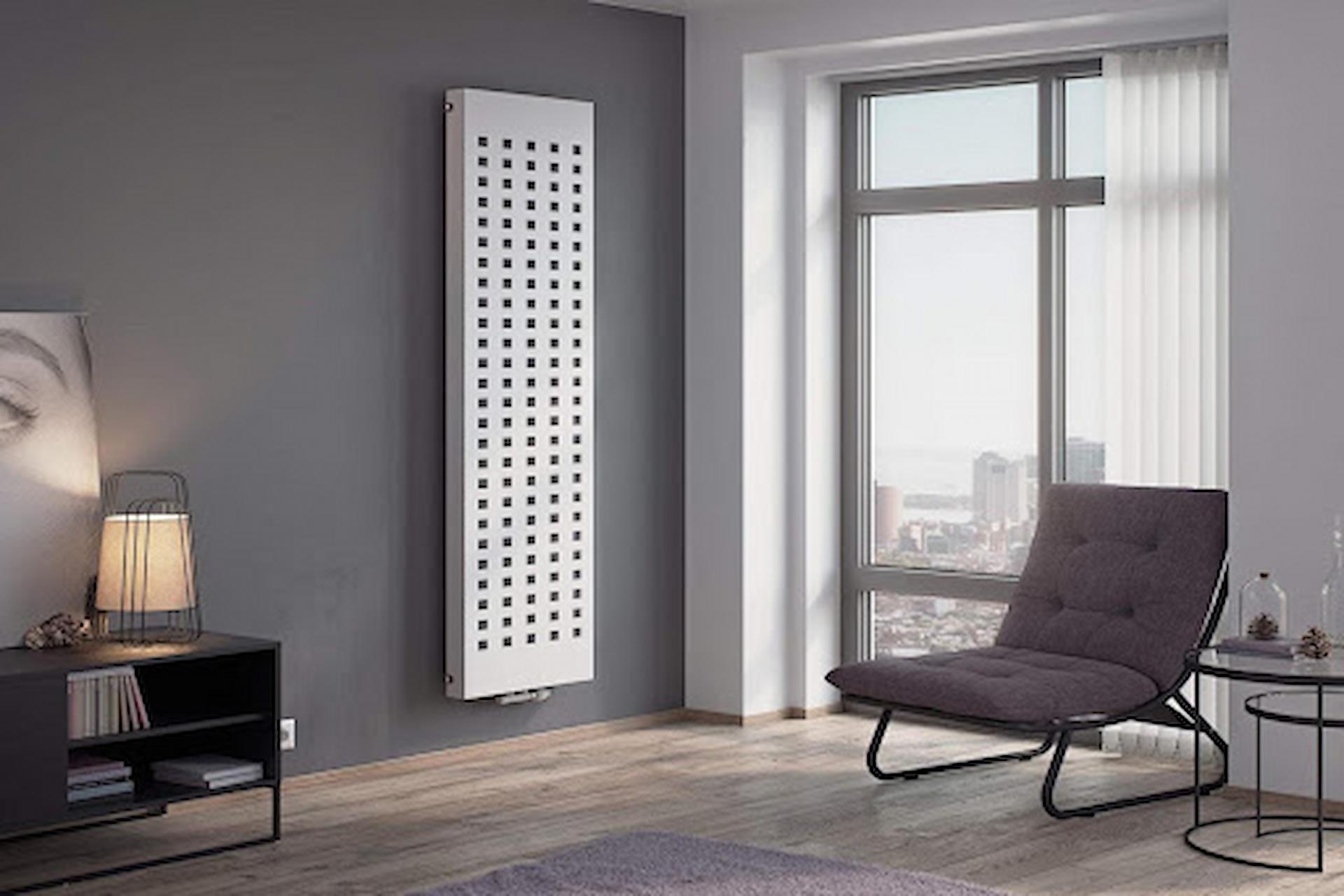
Forget everything you knew about traditional heating—energy-efficient designer radiators are bringing comfort and style together like never before. Combining smart features, elegant materials, and superior efficiency, they turn home heating into part of your interior aesthetic. With sustainability on the rise, the next generation of heating is poised to be cleaner, smarter, and undeniably stylish.
A well-heated home is essential, but today’s homeowners want more than just warmth — they want efficiency, comfort, and style. Heating systems are now part of interior décor rather than hidden behind furniture or walls, and energy-efficient solutions are becoming a major priority. Modern heating systems, such as Stelrad Radiators, are leading this shift by blending performance, sustainability, and premium design into one package.
As energy prices fluctuate and environmental awareness grows, the spotlight is shifting to smarter, more sustainable heating. The next generation of radiators promises not just warmth but enhanced living experiences.
Why Designer Radiators Are Becoming the New Standard
For many years, radiators were purely functional. Their design remained fairly basic because people cared more about staying warm than aesthetics. That mindset is rapidly changing. Designer radiators now enhance interior layouts, save energy, and offer improved control and heat output.
Several trends are accelerating this change:
- Rising interest in low-carbon living
- Improved aesthetics in home design
- Increased demand for long-lasting, efficient heating
- Growing popularity of smart home technology
As a result, radiators are being built to align with modern expectations — attractive, long-lasting, and environmentally conscious.
What Makes the New Generation of Radiators More Efficient?
Energy efficiency is at the centre of how radiators are evolving. Instead of simply heating a room, future models will use smarter methods to keep heat consistent and reduce waste.
Some of the improvements include:
Better Heat Distribution
Advanced heat fin technology and improved surface area maximise how quickly warmth spreads across a room without relying on higher energy output.
Compatibility With Low-Temperature Heating
With heat pumps and underfloor heating systems becoming popular, radiators must work effectively at lower temperatures — a major step toward more sustainable living.
Smart Controls and Automation
Digital thermostats and intelligent sensors help regulate indoor temperatures by adjusting output based on occupancy and time of day. When integrated with platforms like phones or smart home systems, users can control heating remotely for added efficiency.
These developments are already making an impact, and systems such as Stelrad Radiators are shaping how households approach both style and energy savings.
Materials That Shape the Future
The choice of materials plays a crucial role in efficiency, weight, sustainability, and heat response time. The future points toward lightweight and highly conductive materials such as aluminium and recyclable metals. These materials heat up faster and retain warmth longer, reducing energy waste. They also allow more diverse and sophisticated shapes, styles, and finishes — making radiators both functional and decorative.
Future Trends: What Can We Expect?
Innovation in radiator design continues to evolve. Looking ahead, a few developments will likely influence future heating standards:
- Fully customisable shapes, colours, and finishes
- Extremely slim, wall-mounted or vertical radiator designs
- Integration with solar and renewable-powered systems
- Radiators doubling as furniture features (for example towel warmers or room dividers)
Heating will become more intelligent, connected, and aesthetically pleasing, ensuring that radiators are never viewed as simple utility products again.
Practical Tips for Choosing the Right Energy-Efficient Radiator
Selecting the right radiator requires careful planning and understanding your home’s heating needs. Before investing, consider these helpful points:
- Measure your space: Ensure the radiator output matches room size to avoid overheating or underheating.
- Check compatibility: If using a heat pump or renewable system, ensure the radiator is designed for lower flow temperatures.
- Prioritise certified efficiency: Look for performance ratings to ensure you’re making a long-term, energy-saving choice.
- Choose timeless design: Select a model that complements décor trends without compromising functionality.
- Consider smart features: Remote control, programmable settings, and automation can significantly reduce energy use.
Following these tips helps maximise long-term savings and comfort.
Key Takeaways
- Radiators are becoming smarter, more stylish, and more energy-efficient.
- Material innovation and smart controls are improving heat output and reducing waste.
- Choosing well-designed, energy-efficient heating is key to future-ready homes.
- Modern heating blends sustainability, aesthetics, and advanced performance.
Conclusion
Heating is changing — and for the better. Energy-efficient designer radiators are shaping a future where performance meets style, allowing homes to stay warm without unnecessary energy use. With smarter controls, improved heat distribution, and next-generation materials, these solutions support a more sustainable lifestyle and a more comfortable living environment. Whether you’re upgrading a home or designing a new one, choosing future-ready radiator technology is a decision that benefits comfort, efficiency, and long-term savings. Models like Stelrad Radiators exemplify how design and innovation can redefine heating. If you’re planning a renovation, building a new space, or simply exploring modern heating solutions, now is the perfect time to step into the next era of warmth and design.