
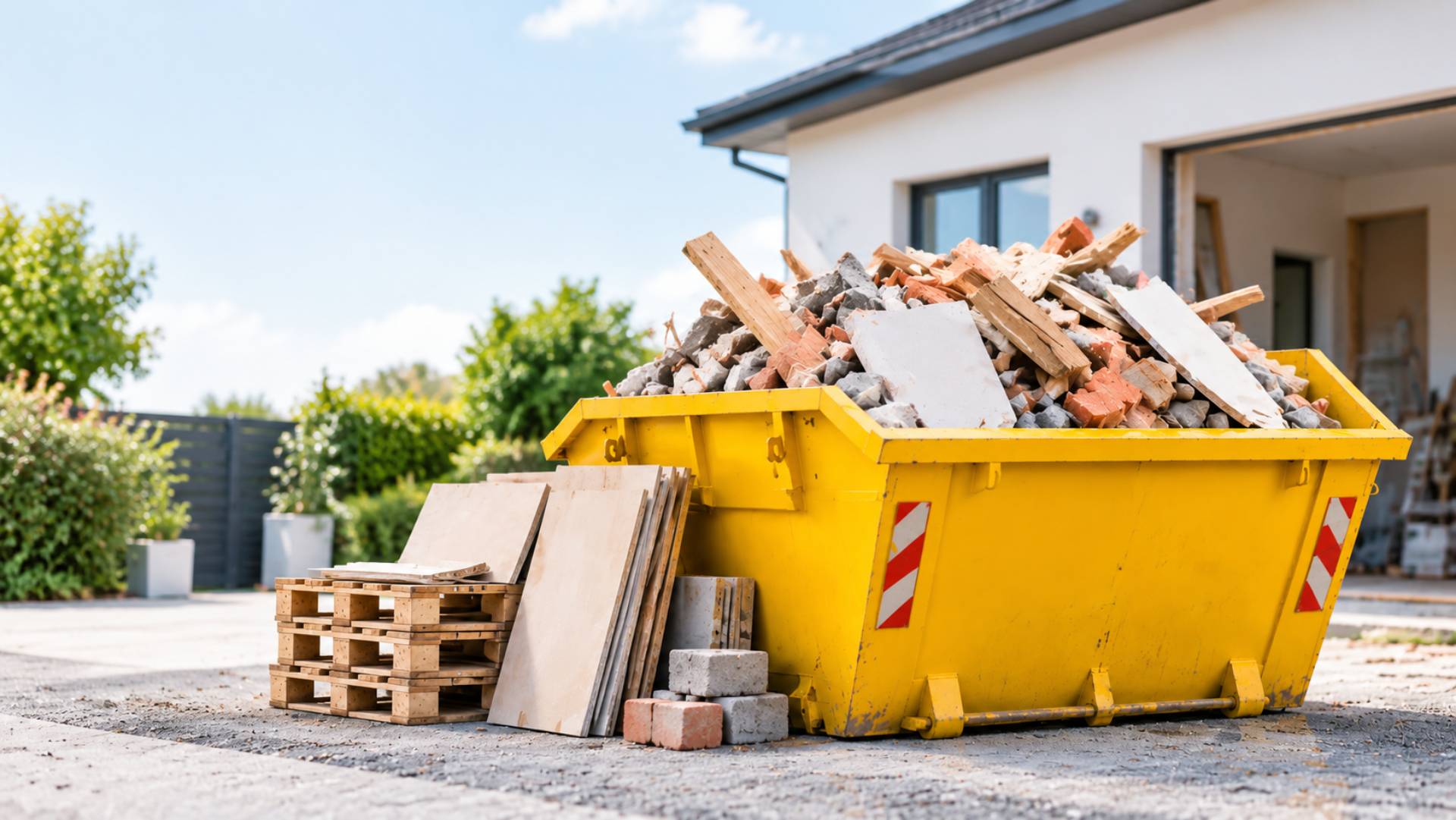
Home improvement projects can transform a property, but they often create a large amount of waste. From old fittings and broken materials to packaging and unwanted items, managing rubbish properly is an important part of keeping the project organised and safe.
Planning waste removal early can make renovations much smoother. Many homeowners choose solutions such as skip hire Watford when dealing with building waste, as having a suitable disposal option helps keep work areas cleaner and more efficient throughout the improvement process.
Why Construction Waste Management Matters
Construction waste can quickly build up during renovations, especially when removing walls, replacing fixtures, or upgrading different areas of a home. Without a clear plan, piles of waste can take up valuable space and make it harder to complete tasks safely.
Professional waste solutions, including skip hire Watford, provide homeowners with a practical way to collect and remove unwanted materials. Choosing the right option depends on the size of the project, the type of waste produced, and how much space is available for storage before disposal.
Common Types of Waste During Home Improvements
Different renovation projects create different types of waste. Understanding what materials need to be removed helps homeowners prepare suitable disposal methods and avoid unnecessary delays. Common examples include:
- Old bricks, concrete, and tiles
- Timber from repairs or structural changes
- Plasterboard and insulation materials
- Packaging from new products and equipment
- Old furniture, fittings, and household items
Separating waste where possible can also make disposal easier. Some materials may be recyclable, while others require specific handling. A planned approach helps reduce mess and supports more responsible waste management during renovation work.
How to Plan Waste Removal Before Starting a Project
A successful renovation begins with good preparation. Before starting work, homeowners should estimate how much waste the project may create and decide where materials will be stored temporarily. This prevents waste from becoming an obstacle during construction.
Consider the following steps when planning waste removal:
- Assess the size and type of renovation work
- Choose an appropriate waste collection solution
- Check available space for waste containers
- Arrange removal at a suitable stage of the project
Taking time to organise waste management before work begins can save effort later. It also allows tradespeople and homeowners to focus on completing improvements rather than dealing with avoidable clutter.
Choosing the Right Waste Management Option
Selecting a suitable waste disposal method depends on several factors, including the scale of the renovation and the materials involved. Smaller projects may produce limited waste, while larger improvements may require more frequent collection or larger storage options.
Homeowners should consider practical details such as access space, the expected amount of rubbish, and local waste requirements. A suitable solution ensures waste can be handled efficiently without affecting neighbours, workers, or the progress of the project.
Tips for Keeping a Renovation Site Organised
A tidy work area is easier to manage and can help reduce safety risks during home improvements. Waste should be removed regularly rather than allowing materials to accumulate around entrances, pathways, or working areas.
Simple habits can improve organisation throughout the project:
- Create a dedicated area for waste collection
- Remove unnecessary materials as work progresses
- Keep walkways clear and accessible
- Store reusable materials separately
Maintaining order during renovations makes the overall process more manageable. It also helps homeowners identify useful materials that may be reused instead of immediately being discarded.
Conclusion
Managing construction waste is an essential part of any home improvement project. Careful planning, suitable disposal methods, and regular organisation can help create a safer and more efficient renovation environment.
By considering waste management from the beginning, homeowners can reduce disruption and keep their projects running smoothly. A well-planned approach ensures improvements are completed with less stress and better control over unwanted materials.