
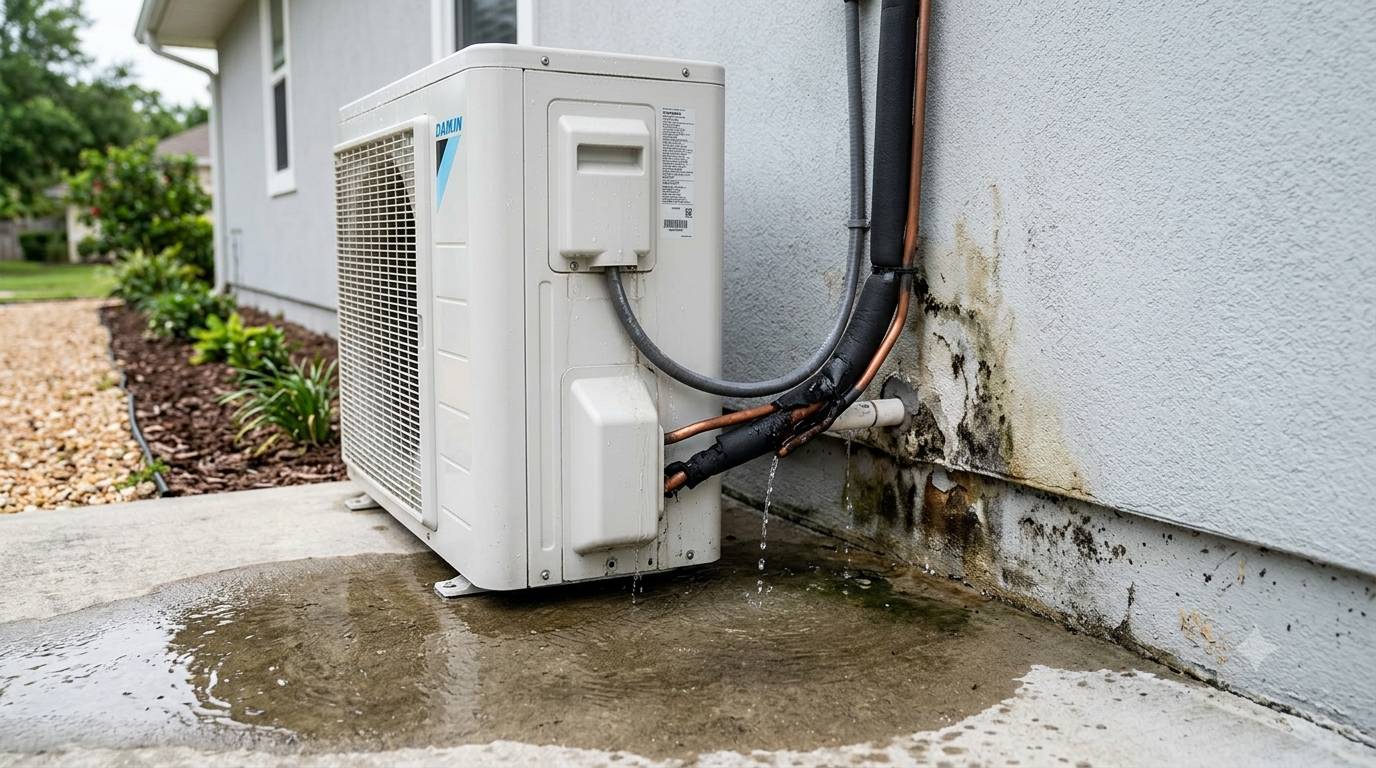
You head into the laundry room or hallway and notice something you weren’t expecting a small puddle of water beneath your indoor air conditioner. At first, it might not seem like a major concern, especially if your system is still cooling the house. However, water leaking from an AC unit is usually a sign that something isn’t working as it should. While some issues are relatively simple to fix, ignoring the problem can lead to water damage, mold growth, or more expensive HVAC repairs. If you notice a leak, scheduling HVAC repair Richmond, TX can help identify the cause before the problem becomes more serious.
The good news is that most AC leaks don’t happen without warning. Your system often gives you several clues that something needs attention. Understanding what those signs mean can help you respond quickly and minimize the risk of further damage.
Is It Normal for an Air Conditioner to Produce Water?
The answer is yes but only under normal operating conditions.
As your air conditioner cools warm indoor air, it naturally removes moisture from the air as well. That moisture collects on the evaporator coil and drains through a condensate line before safely exiting your home.
When everything is working properly, you’ll never notice this process. If water is collecting around the indoor unit or dripping onto the floor, it usually means the drainage system isn’t doing its job correctly.
What’s Causing the Leak?
Several different problems can lead to water leaking from an air conditioner. Some are easy to prevent, while others require professional repairs.
A Clogged Drain Line
Over time, dirt, algae, and debris can build up inside the condensate drain line. When the line becomes blocked, water has nowhere to go, so it backs up into the drain pan and eventually overflows.
This is one of the most common causes of indoor AC leaks and is often discovered during routine maintenance.
A Dirty Air Filter
Many homeowners don’t realize that a neglected air filter can contribute to water leaks.
When airflow is restricted, the evaporator coil can become too cold and freeze. Once the ice melts, the extra water may overwhelm the drain pan, causing it to spill onto the floor.
Fortunately, replacing the air filter regularly is one of the easiest ways to reduce the likelihood of this problem.
Low Refrigerant Levels
If your air conditioner is low on refrigerant, the evaporator coil may freeze instead of cooling normally. When that ice eventually melts, the resulting water can create puddles around the indoor unit.
Low refrigerant often comes with other warning signs as well, including poor cooling performance, longer run times, and ice forming on the refrigerant lines.
A Damaged Drain Pan
Older air conditioners may develop rusted or cracked drain pans after years of use. Even if the drain line is clear, water can still leak through a damaged pan before reaching the drain.
If the pan has deteriorated, replacing it is typically the most reliable solution.
Installation or Maintenance Issues
Sometimes the problem isn’t a failed component at all. An air conditioner that isn’t level may not drain properly, allowing water to collect where it shouldn’t.
Similarly, skipping routine maintenance allows small issues to go unnoticed until they eventually lead to visible leaks.
Signs the Problem May Be Getting Worse
A water leak is rarely the only symptom. Your air conditioner may already be showing other signs that something needs attention.
Watch for problems such as:
- Water pooling around the indoor unit.
- Weak airflow from your vents.
- Warm air instead of cool air.
- Ice forming on refrigerant lines.
- A musty smell near the air handler.
- Higher humidity inside your home.
If you notice more than one of these symptoms, it’s a good indication that your AC should be inspected before the problem becomes more severe.
What Should You Do First?
Finding water around your air conditioner doesn’t always mean an expensive repair is needed, but acting quickly is important.
Start by turning the system off if water is approaching electrical components or if you notice heavy ice buildup. Check the air filter to see whether it’s dirty and replace it if necessary. Wipe up any standing water to reduce the risk of damage to nearby flooring or walls.
While these simple steps may help prevent further damage, avoid attempting repairs involving refrigerant, electrical components, or internal parts. Those issues require specialized equipment and professional expertise.
Preventing Future Water Leaks
Like many HVAC problems, water leaks are often preventable with regular maintenance.
Simple habits such as replacing air filters on schedule, keeping the condensate drain line clean, and arranging annual HVAC inspections can significantly reduce the chances of unexpected leaks. During routine maintenance, technicians can also identify worn components before they fail and ensure the drainage system is operating properly.
A little preventative care today is often far less expensive than repairing water damage later.
Small Leaks Can Become Big Problems
It’s easy to ignore a small puddle when your air conditioner is still cooling the house. However, that small leak could be the first sign of a larger issue developing inside the system.
Water that isn’t draining properly can damage flooring, drywall, insulation, and nearby furniture. Over time, excess moisture may also encourage mold growth and reduce your home’s indoor air quality. The longer the problem continues, the greater the chance that a simple repair turns into a much more costly project.
Protecting Your Cooling System for the Long Run
Water leaking from your AC unit should never be considered normal, even if the system still seems to be working. Whether the cause is a clogged drain line, a dirty filter, low refrigerant, or a worn-out component, addressing the issue early can help prevent more extensive damage and keep repair costs under control.
Staying on top of routine maintenance and responding quickly when something doesn’t seem right are some of the best ways to protect your cooling system. A well-maintained air conditioner not only performs more efficiently but also provides reliable comfort, helping you keep your home cool and dry throughout the hottest months of the year.
Final Thoughts
A leaking air conditioner is more than just an inconvenience, it’s often your system’s way of telling you that something needs attention. While some causes are relatively minor, delaying repairs can lead to water damage, reduced efficiency, and more expensive HVAC issues over time.
By responding to leaks early, keeping up with routine maintenance, and having your system inspected when something doesn’t seem right, you can help prevent unnecessary repairs and extend the life of your air conditioner. A proactive approach not only protects your cooling system but also keeps your home comfortable and your repair costs under control throughout the cooling season.